
Get Dead Tree Removal in Katy, TX
Local contractors in Katy, TX, can handle dead tree removal, storm-damaged branches, and hazardous tree clearing to keep your property safe and tidy.
Dead tree removal is an important consideration for property owners in Katy, TX, seeking to maintain a safe and appealing outdoor space. Dead or damaged trees can pose risks of falling branches or complete toppling, especially during storms common to the area. Removing these trees can also improve the overall health and appearance of a landscape, making it safer and more inviting for families, pets, and visitors. For those planning landscape updates or preparing a property for new construction, consulting with experienced local contractors can ensure the job is done efficiently and safely.
Exploring options for dead tree removal involves comparing the services available from nearby providers who understand the unique needs of properties in Katy and surrounding communities. Property owners who want to make informed decisions about managing their trees can benefit from connecting with local specialists who can assess the situation and recommend appropriate solutions. Keep reading to discover how trusted service providers can help you address dead tree concerns effectively and safely.
- Dead Tree Removal - needed when a tree shows signs of disease or decay that pose a risk to nearby structures.
- Storm Damage Cleanup - required after severe weather causes dead or fallen trees in neighborhoods like Cinco Ranch or Katy.
- Landscape Clearing - necessary when clearing overgrown or dead trees to prepare for new planting or construction projects.
- Hazard Tree Assessment - recommended when dead trees threaten power lines, fences, or walkways in residential areas.
- Tree Trimming and Pruning - performed to remove dead branches and improve tree health and safety in local yards.
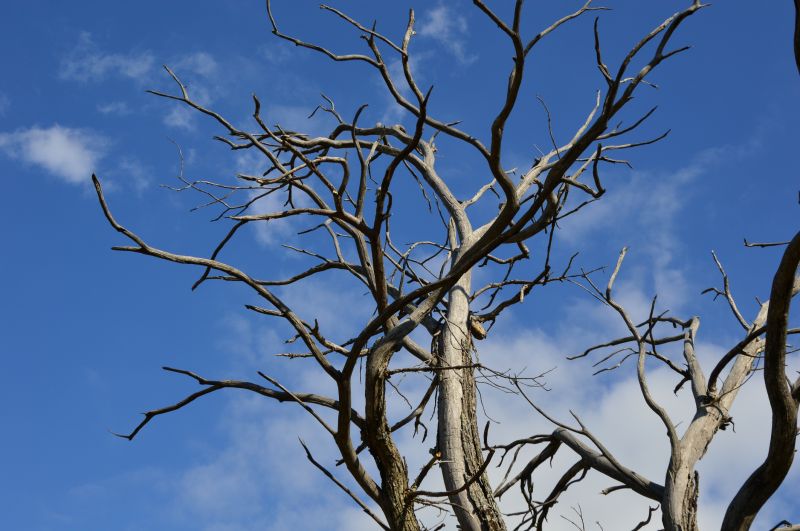
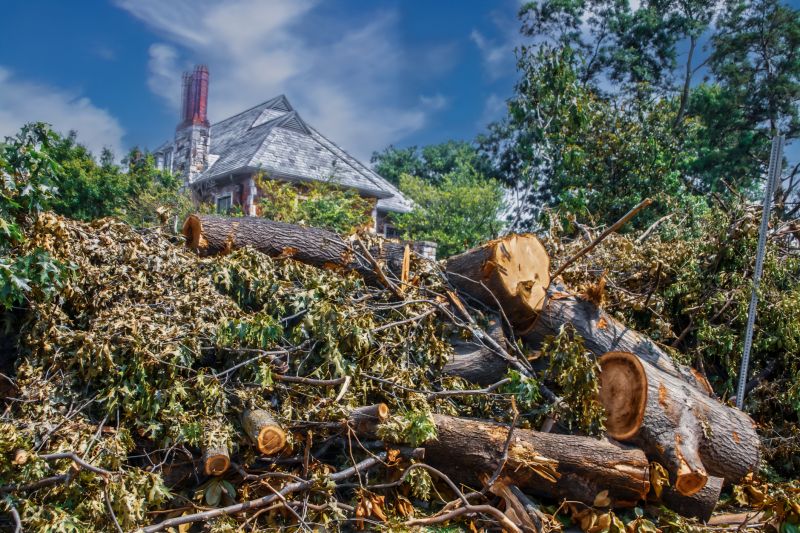
Dead tree removal services involve the careful and efficient removal of trees that are dead, decaying, or severely damaged. These professionals assess the condition of the tree to determine the safest and most effective way to remove it without causing damage to surrounding property. The process typically includes cutting down the tree, dismantling large sections, and safely hauling away the debris. This service helps ensure that dead or dying trees do not pose a risk of falling unexpectedly, which can cause damage to homes, vehicles, or other structures.
Removing dead trees addresses several common problems for property owners. Dead or dying trees can become weak and unstable, increasing the risk of falling during storms or high winds. They can also serve as breeding grounds for pests such as termites or beetles, which can spread to healthy trees or nearby structures. Additionally, dead trees can detract from the aesthetic appeal of a property and may hinder lawn maintenance or landscaping efforts. By removing these trees, homeowners can improve safety, prevent potential property damage, and enhance the overall appearance of their yard.
This service is often used on residential properties, including single-family homes, townhouses, and apartment complexes. Commercial properties and public parks also frequently require dead tree removal to maintain safety and compliance with local regulations. Properties with mature trees that show signs of disease, decay, or structural instability are prime candidates for this work. Homeowners and property managers typically seek out local contractors who specialize in tree removal to handle these situations efficiently and safely, especially when the tree's location presents access challenges or proximity to structures.
Understanding when dead tree removal is needed can help homeowners avoid unexpected hazards. Signs that indicate a tree may need removal include dead or falling branches, visible decay or fungi on the trunk, leaning or tilting, or a hollowed-out appearance. If a tree appears to be compromised or poses a risk to nearby structures or pathways, it’s advisable to contact experienced service providers for an assessment. These professionals can determine whether removal is necessary and provide the appropriate solutions to keep properties safe and visually appealing.
The overview below groups typical Dead Tree Removal projects into broad ranges so you can see how smaller, mid-sized, and larger jobs often compare in Katy, TX.
In many markets, a large share of routine jobs stays in the lower and middle ranges, while only a smaller percentage of projects moves into the highest bands when the work is more complex or site conditions are harder than average.
Smaller Tree Removals - most local contractors charge between $250 and $600 for routine jobs involving small to medium-sized trees. Many projects fall within this range, especially for trees under 30 feet tall. Larger or more complex jobs can exceed this range but are less common.
Medium-Sized Tree Removal - for trees measuring 30 to 60 feet, costs typically range from $600 to $1,200. These projects are fairly common and usually involve more extensive equipment and planning. Fewer jobs reach into the higher end of this range unless the tree is particularly difficult to access.
Larger or Difficult Tree Removals - removing trees over 60 feet or with challenging locations can cost $1,200 to $3,000 or more. Many local pros handle these projects regularly, though they tend to be on the higher end of the spectrum due to additional safety and equipment needs.
Full Tree Removal Projects - larger, more complex projects such as multiple trees or hazardous removals can reach $5,000+ in some cases. These are less common but may be necessary for extensive land clearing or dangerous trees requiring specialized equipment and techniques.
Actual totals will depend on details like access to the work area, the scope of the project, and the materials selected, so use these as general starting points rather than exact figures.
Stump Grinding - local contractors use similar tools and techniques to remove tree stumps after dead tree removal, ensuring a clean landscape.
Tree Pruning and Trimming - professionals often perform pruning to maintain tree health, which complements dead tree removal by managing tree safety and appearance.
Land Clearing - land clearing involves removing trees, brush, and debris, requiring planning and equipment comparable to dead tree removal projects.
Storm Damage Cleanup - after storms, local service providers handle fallen or damaged trees, utilizing similar skills to safely remove hazardous dead trees.
Emergency Tree Services - emergency response teams quickly address fallen or unstable trees, employing comparable safety procedures and equipment.
Wood Chipping and Debris Removal - after removing dead trees, contractors often chip branches and clear debris, using similar tools and planning methods.
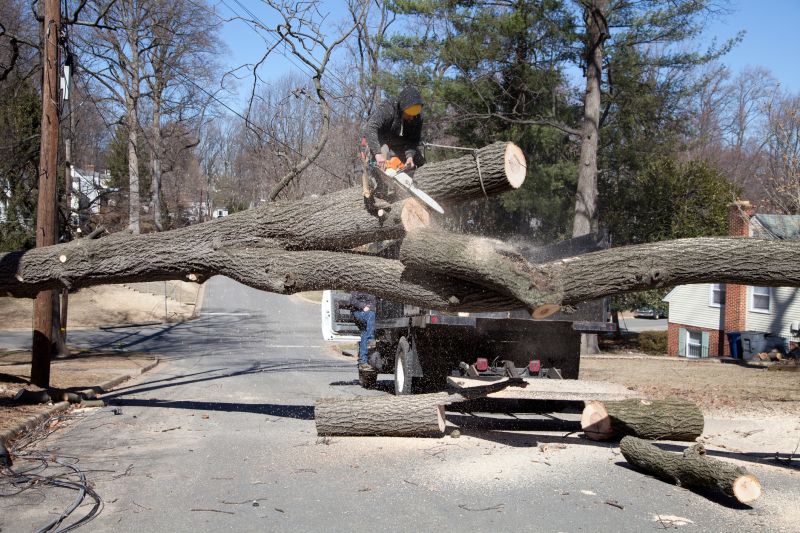
When selecting a contractor for dead tree removal, it’s important to consider their experience with similar projects. Homeowners should inquire about how long the service provider has been working in the area and whether they have handled trees of comparable size and species. An experienced contractor will typically have a better understanding of the specific challenges that can arise during dead tree removal and be more equipped to handle unexpected issues safely and efficiently. This insight can help ensure the job is completed properly and reduces the likelihood of complications later on.
Clear and detailed written expectations are essential when comparing local contractors for dead tree removal. Homeowners should request a comprehensive outline of the scope of work, including what will be done, what tools or equipment will be used, and how the site will be left afterward. Having this information in writing helps prevent misunderstandings and provides a basis for assessing whether a contractor’s approach aligns with the homeowner’s needs. Transparent communication about the process also fosters trust and makes it easier to address any questions or concerns before work begins.
Reputable references and strong communication are key indicators of a reliable service provider. Homeowners should ask for references from previous clients who had similar work done and follow up to learn about their experiences. Additionally, a contractor’s responsiveness and clarity in communication can reveal their professionalism and dedication to customer service. Service providers who are easy to reach, provide timely updates, and are willing to answer questions can make the process smoother and more transparent. It’s important to remember that this site introduces homeowners to local options, not that it performs the work itself, so evaluating these qualities can help identify the best fit among qualified local contractors.
Property owners in Katy, TX use Dead Tree Removal services for practical projects around their homes and businesses. This guide focuses on everyday jobs and straightforward project options.
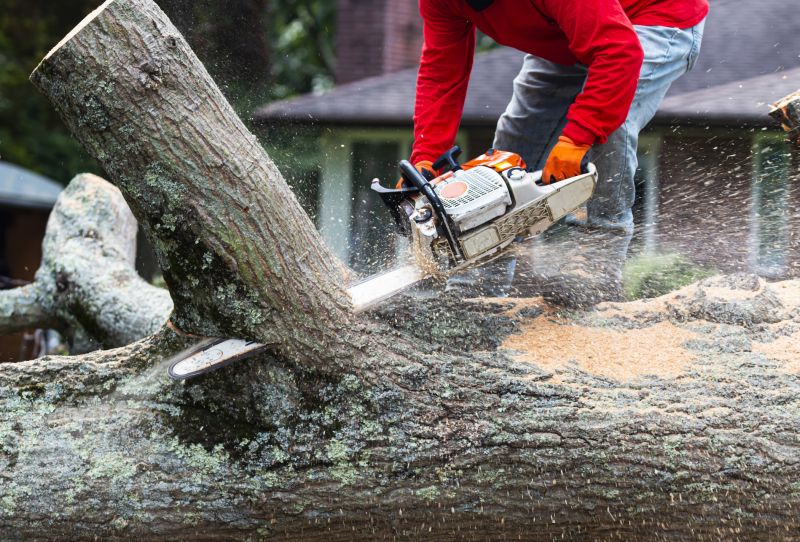
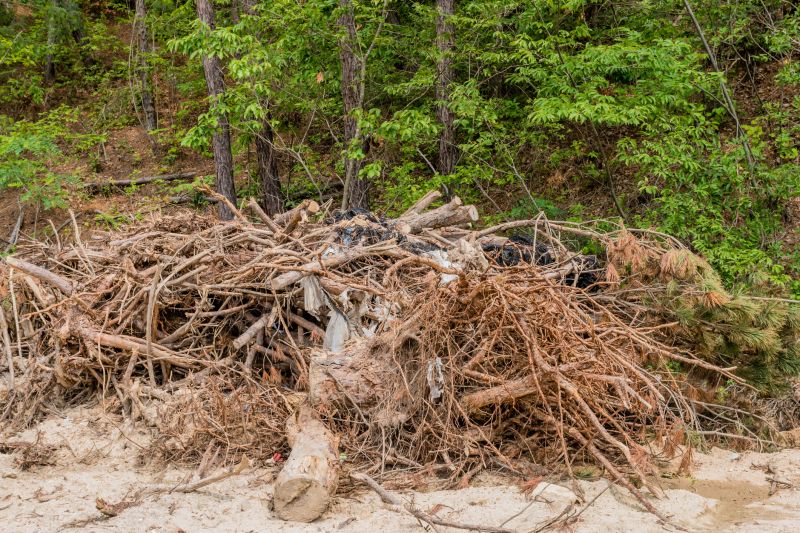
Dead tree removal is a common need for property owners in Katy, TX, especially after storms or periods of drought. Dead or dying trees can pose safety hazards, such as falling branches or entire trees, which could damage property or injure people. Additionally, removing these trees can improve the overall appearance of a yard, making it safer and more attractive for outdoor activities or future landscaping projects. Local contractors specializing in dead tree removal can assess the situation and safely handle the job, whether it involves partial trimming or complete removal.
Property owners might also seek dead tree removal services when trees are affecting the health of surrounding plants or obstructing views. Overgrown or decayed trees can interfere with utility lines or block sunlight, impacting the growth of other vegetation. Clearing out dead or hazardous trees can also be a necessary step before new landscaping or construction begins. Local service providers are equipped to handle these projects efficiently, helping homeowners maintain a safe and pleasing outdoor space in the Katy area.
What is dead tree removal? Dead tree removal involves the safe and efficient elimination of trees that are no longer living or pose safety risks in the Katy, TX area.
Why should I consider removing a dead tree? Removing a dead tree helps prevent potential hazards such as falling branches or the tree toppling, which could cause damage or injury.
How do local contractors handle dead tree removal? Local service providers assess the tree's condition, then use specialized equipment to safely cut and remove the dead tree from the property.
Are there different removal methods for dead trees? Yes, methods vary based on the tree's size and location, including cutting down the tree in sections or complete removal with equipment.
What should I look for to identify a dead or dying tree? Signs include discolored or dead branches, sparse foliage, trunk decay, and overall lack of healthy leaves or growth.
Enhance Curb Appeal - Removing dead trees can improve the overall appearance of a property, making it more inviting and well-maintained.
Improve Safety - Eliminating hazardous, decaying trees reduces the risk of falling branches or trees that could cause damage or injury.
Create Space for Landscaping - Clearing out dead trees opens up areas for new planting, garden projects, or outdoor living features.
Prepare for Property Improvements - Dead tree removal can be a key step before constructing additions or making landscape upgrades around a home.
If you are thinking about Dead Tree Removal for a property in Katy, TX, this guide is meant to help you understand the work, the typical project types, and how different options might fit your plans.
When you are ready, you can use the quote form on this page to share a few details about your project. From there, local pros can review the basics and respond with options that match what you have in mind.