
Optimal Timing for Tree Removal
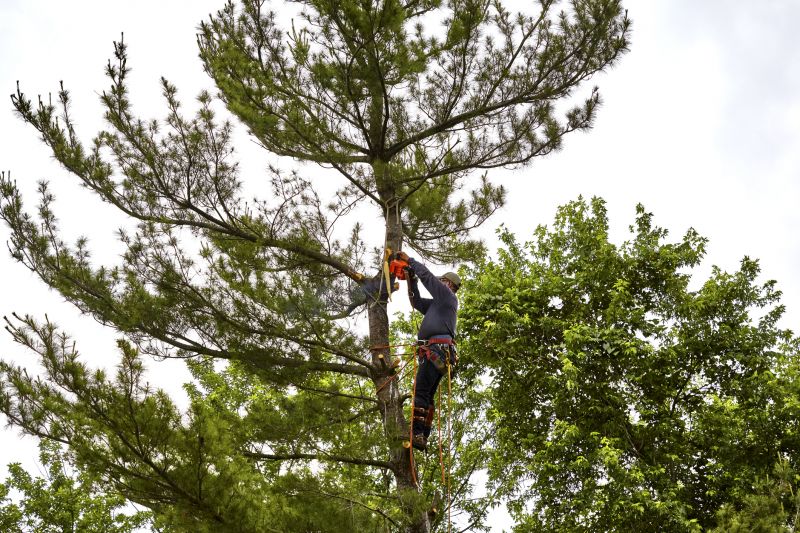
Spring is ideal for tree removals due to active growth and easier access.
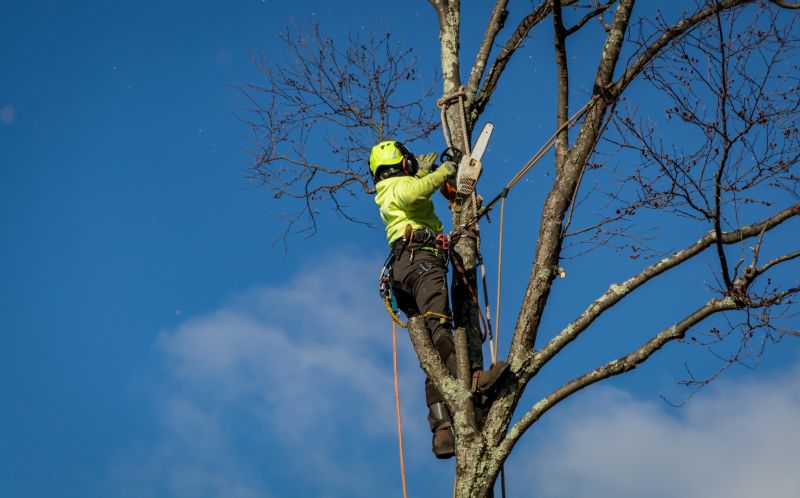
Summer offers long daylight hours but may pose challenges due to heat stress on trees.
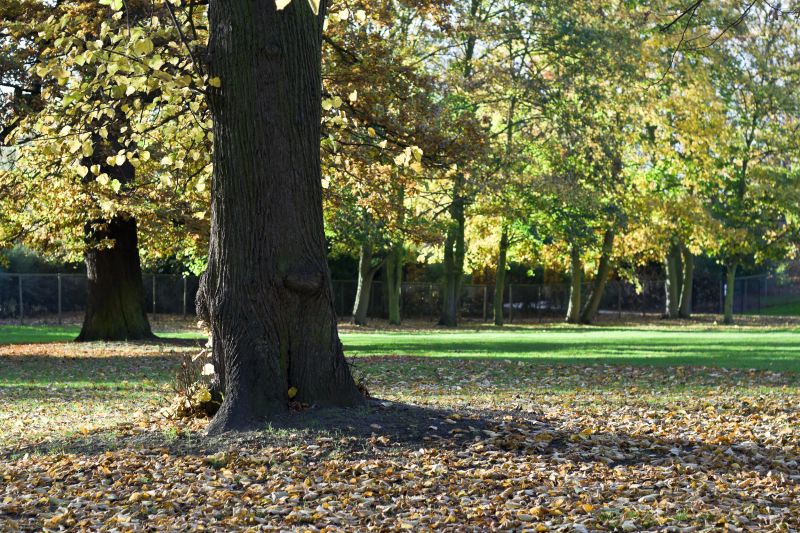
Fall allows for removal before winter dormancy, minimizing stress to remaining trees.
Ways to make Tree Removals work in tight or awkward layouts.
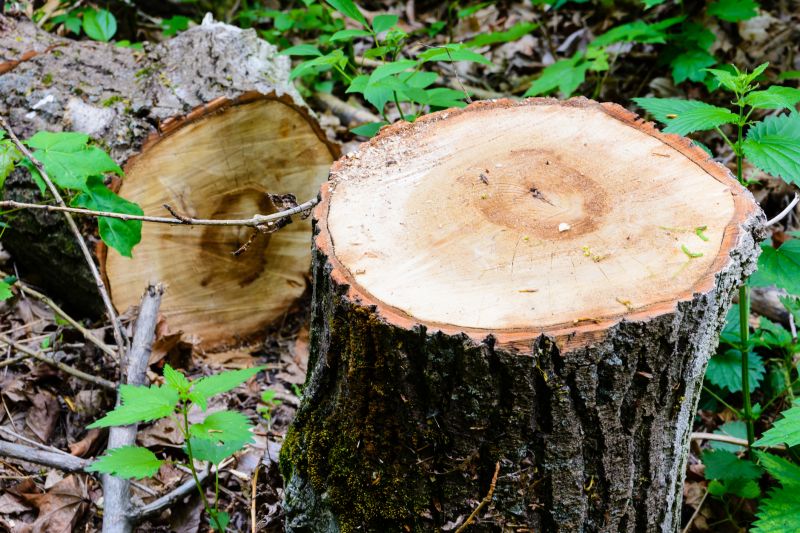
Popular materials for Tree Removals and why they hold up over time.
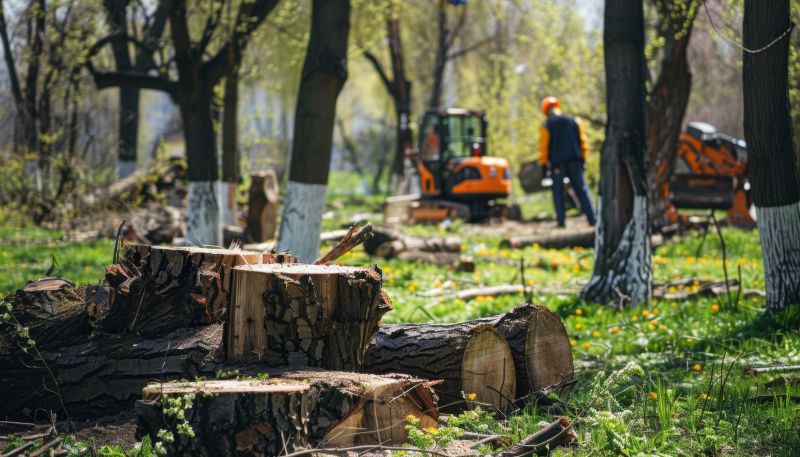
Simple add-ons that improve Tree Removals without blowing the budget.
Tree removal timing depends on various factors, including tree health, local climate, and specific species. Generally, the best time for tree removals is during the late winter to early spring months when trees are dormant. This period reduces stress on the tree and minimizes the risk of disease transmission. Additionally, removing trees during dormancy allows for easier access and safer operations, as foliage is minimal and visibility is improved.
Statistics indicate that approximately 60% of tree removals are performed in late winter or early spring. This timing helps prevent damage to surrounding vegetation and reduces the impact of pests and diseases. Proper timing also ensures that the soil is less compacted, facilitating equipment movement and reducing environmental disturbance.
Removing trees during dormancy minimizes stress and promotes healthier landscape management.
Some species are best removed during specific seasons to prevent disease and ensure safety.
Dry weather is preferable to avoid soil compaction and facilitate equipment operation.
Optimal timing improves safety by providing better access and visibility during removal.
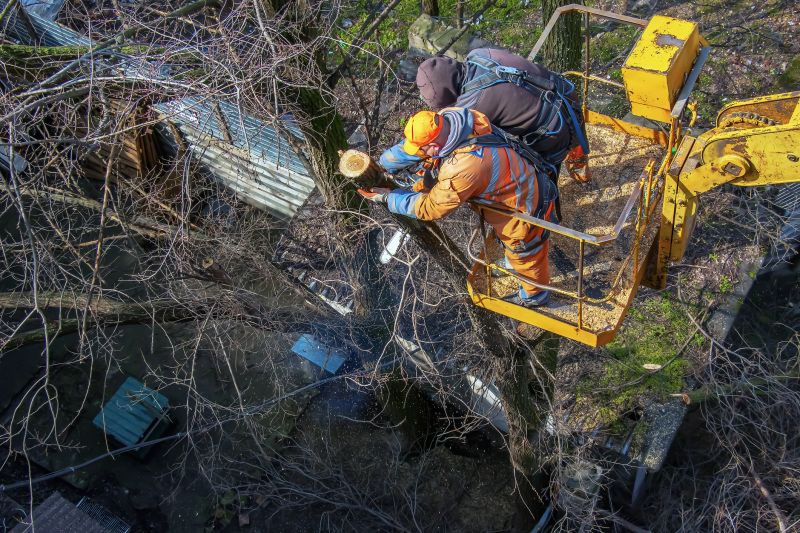
Specialized tools ensure safe and efficient removal processes.
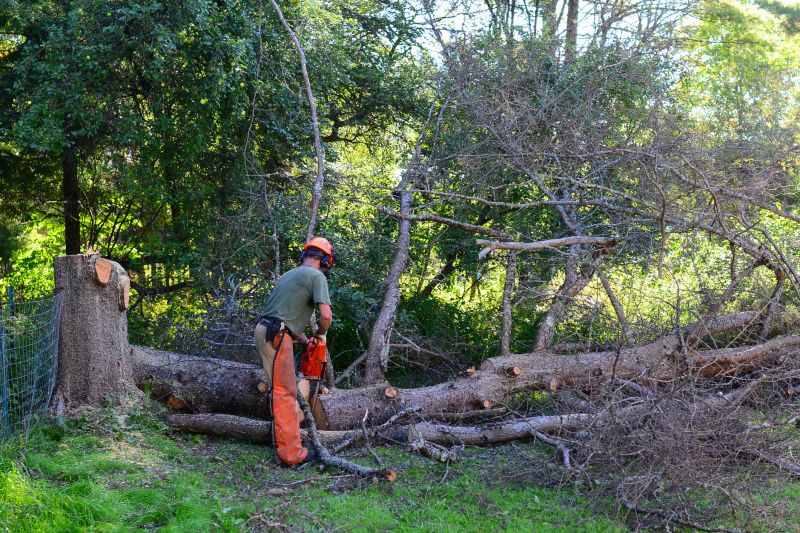
Winter removal reduces disease spread and minimizes landscape disruption.
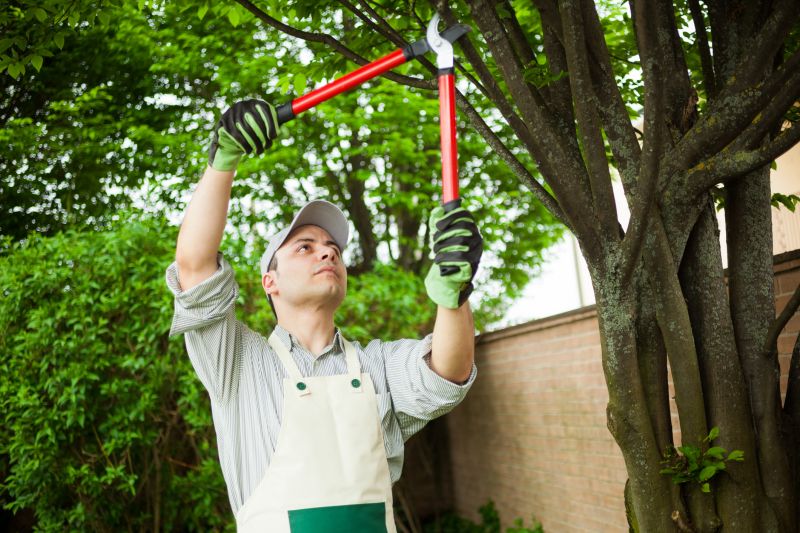
Spring offers optimal conditions for safe removal and landscape recovery.
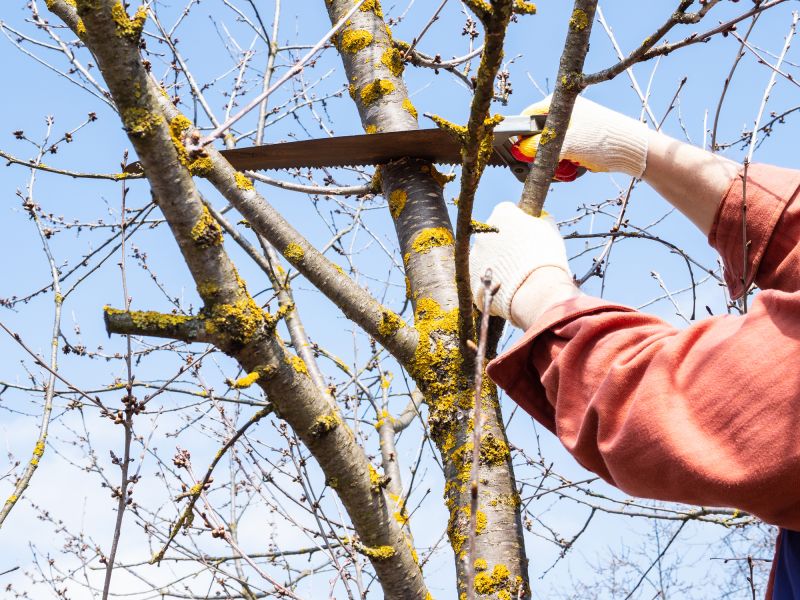
Removing unhealthy trees during appropriate seasons supports landscape health.
High-end options that actually feel worth it for Tree Removals.
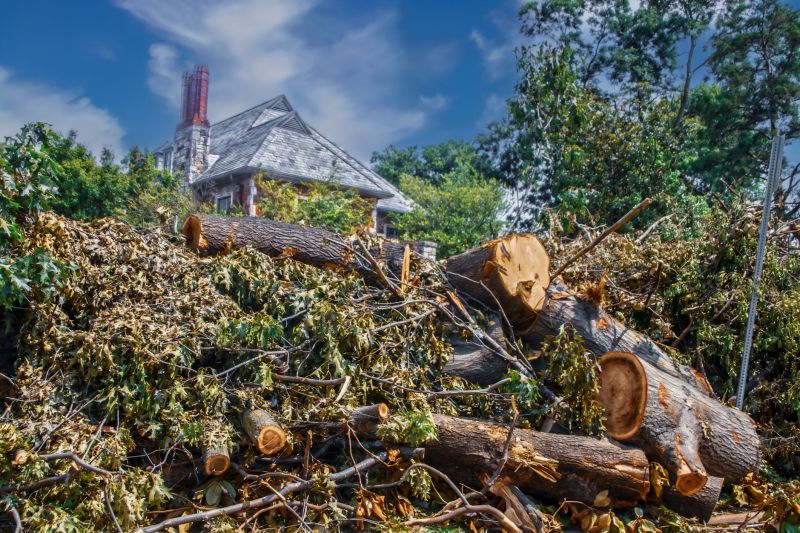
Finishes and colors that play nicely with Tree Removals.
| Season | Best Practices |
|---|---|
| Winter | Ideal for removal due to dormancy and minimal damage risk. |
| Spring | Suitable if trees are dormant; avoid during early growth phases. |
| Summer | Less preferred due to heat stress and foliage density. |
| Fall | Good for pre-winter removal; allows landscape to recover. |
Understanding the optimal timing for tree removals can enhance safety, reduce costs, and promote landscape health. Consulting with professionals during the dormant season ensures the process is efficient and minimizes impact on surrounding vegetation.
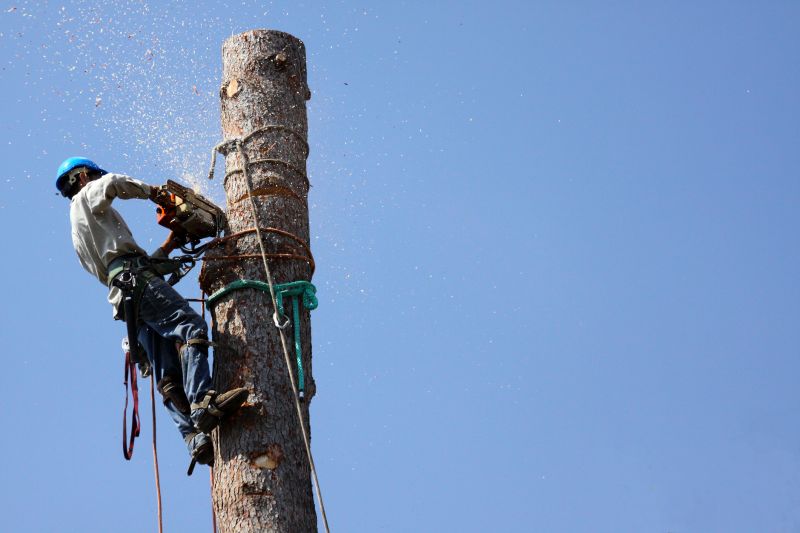
Proper timing ensures safe and effective removal operations.
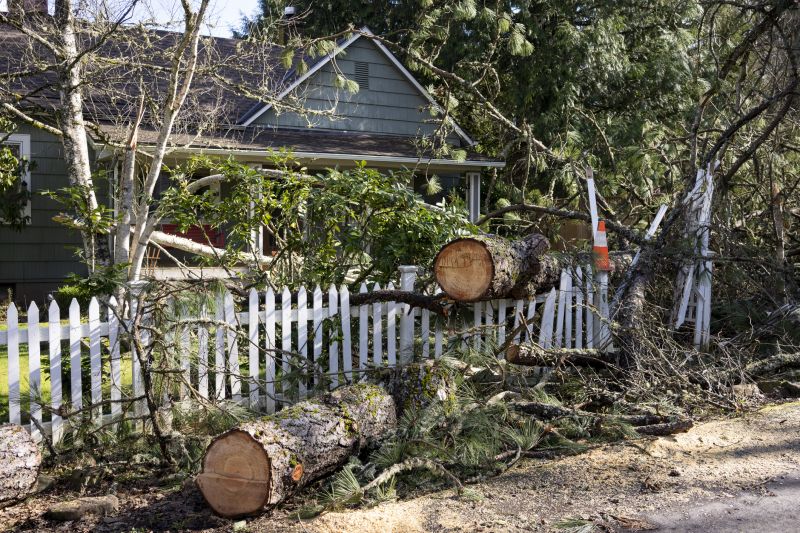
Trees in dormancy are easier to remove with less risk of disease spread.
Post-removal, landscapes recover quickly during spring.
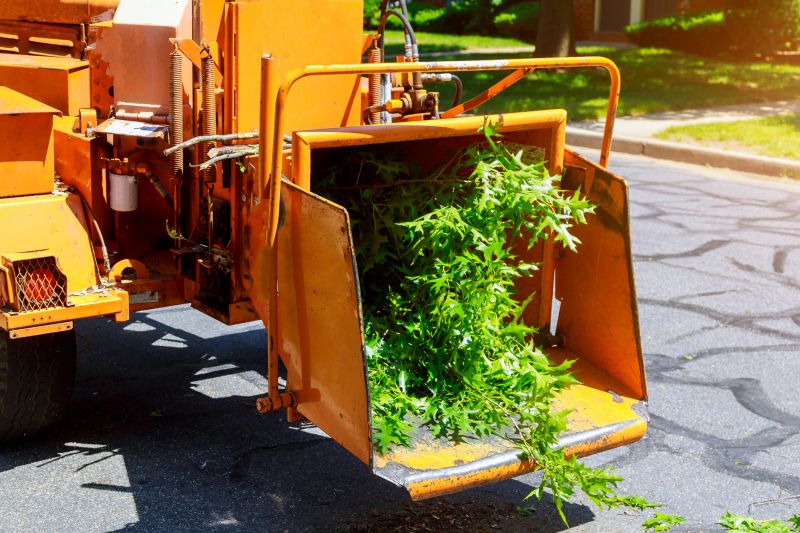
Specialized machinery facilitates safe and efficient tree removal.
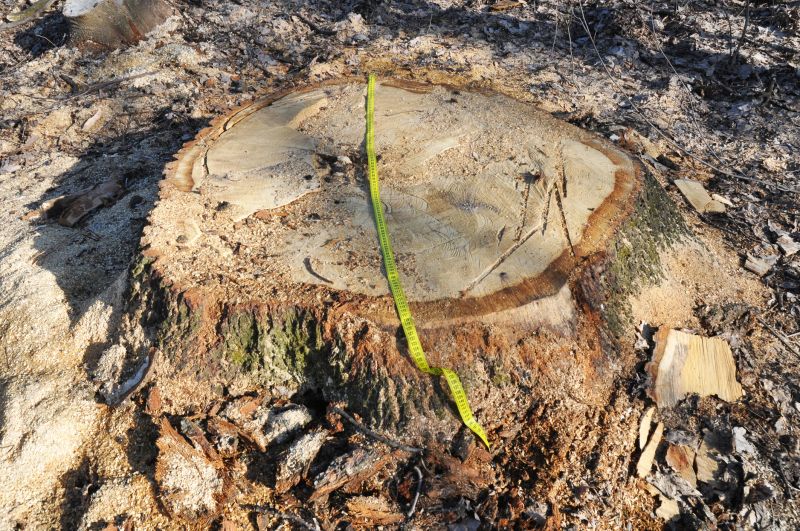
Little measurements that prevent headaches on Tree Removals day.
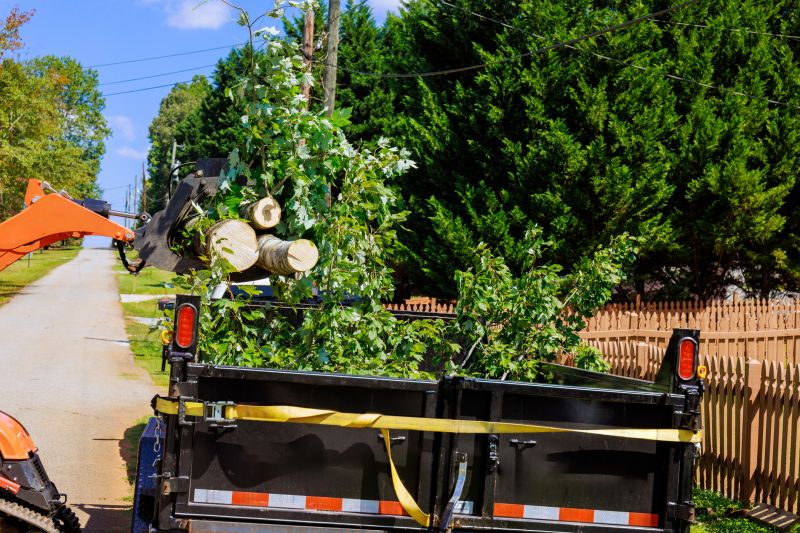
A 60-second routine that keeps Tree Removals looking new.
Interested in scheduling a tree removal? Filling out the contact form can provide more information and assistance tailored to specific landscape needs.